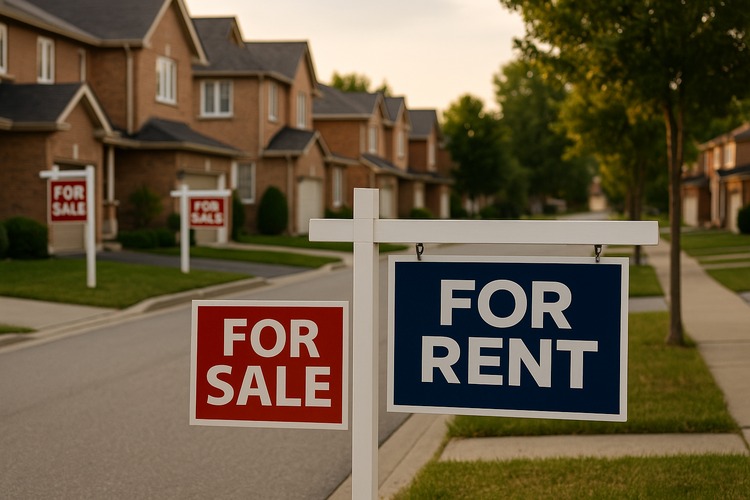
After helping Toronto families navigate housing decisions for over 30 years, I’ve learned that successfully renting an apartment in Toronto starts with understanding market reality, not chasing the lowest advertised price. We are with you, the New Real Estate team, to rent an apartment or house in Toronto.
How to Rent in Toronto: Market Reality Check
Currently, renters have more negotiating power than they’ve seen in recent years. The market has shifted to favour tenants, with increased options available and landlords more willing to negotiate terms. This creates opportunities for both renting an apartment in Toronto and renting a house in Toronto.
Here’s what this means practically: you can take time to find the right place instead of jumping on the first decent option. The seasonal patterns matter more than most newcomers realize. Spring brings competition from families, while fall sees the student rush. Winter offers the most negotiating power but fewer available units.
How to Negotiate Rent in Toronto: With current market conditions, don’t accept the first offer. Landlords often price units above market expectations. Research comparable properties and present evidence when requesting lower rent or included utilities.

Toronto Rental Guide: Understanding True Costs
Beyond monthly rent, you’ll face several predictable expenses that catch newcomers off guard.
What’s Included in Rent in Toronto Apartments: Condos typically include heating and water in maintenance fees, making them more predictable for budgeting. Houses usually require separate utility payments, which can fluctuate significantly with the seasons.
Cost of Utilities and Extra Fees in Toronto Rentals: Internet is rarely included, regardless of property type. Parking often costs extra downtown, sometimes adding substantial monthly fees. Always confirm what’s covered before calculating affordability.
Ontario law allows landlords to collect the first month’s rent and last month’s rent upon lease signing. Some request a refundable key deposit, but security deposits, pet deposits, and application fees are illegal.
Toronto Tenant’s Rights: Know Your Protections
Ontario’s tenant protections are comprehensive but only effective if you understand them.
Rights and Responsibilities of Tenants in Ontario: The Ontario Standard Lease is mandatory for most residential rentals. This standardized form prevents landlords from including illegal clauses like no-pets policies (except in condos with specific bylaws) or arbitrary fee structures.
Your rent can only increase once per year with proper notice and can’t exceed 2.5% for 2025/2026. Landlords cannot enter your unit without 24 hours’ written notice except for emergencies. They cannot change locks without providing new keys immediately.
Documents Needed to Rent in Toronto
Preparation separates successful applications from disappointed searchers in competitive situations.
Employment letter stating position, salary, and employment duration. Recent pay stubs (typically the last two to three). Credit report from a recognized agency. Previous landlord references with contact information.
Renting as a Newcomer in Toronto: Building Canadian credit history takes time, but alternatives exist. Bank statements showing savings demonstrate financial stability. Employment letters from new Canadian employers carry significant weight. Character references can supplement traditional rental references.
Consider starting with individual landlords rather than large property management companies. Smaller landlords often evaluate applications more personally, giving weight to circumstances beyond credit scores.
How to Find an Apartment to Rent in Toronto
Effective searching requires understanding where legitimate listings appear and how to identify problematic ones.
Major platforms include MLS (through licensed agents), PadMapper, Rentals.ca, and Kijiji. Licensed real estate agents can access MLS listings and provide guidance through the process.
How to Avoid Rental Scams in Toronto: Never send money before viewing the property in person. Verify landlord identity through property records or management company websites. Prices significantly below market rates deserve extra scrutiny.
Best Time to Search: Start searching three to four months before your desired move-in date. Properties typically list two months before availability, giving you time to evaluate options properly.

Housing Rentals in Toronto: Neighborhoods and Property Types
Condo vs. House Rentals in Toronto: Condos offer predictable utility costs and building amenities, and typically include heating and water. Houses provide more space and private outdoor areas, but require managing multiple utility accounts.
Average Rent by Neighbourhood, Toronto: Downtown areas command premium pricing but offer transit convenience. Scarborough, Etobicoke, and North York provide more affordable options with good transit connections. Newcomer-friendly neighbourhoods often feature established international communities and cultural amenities.
Pet-Friendly Rentals in Toronto: While landlords cannot legally refuse pets in most rentals, condo buildings may have specific restrictions. Always confirm pet policies and potential additional fees before applying.
What Questions to Ask Before Signing a Lease in Toronto
Confirm what utilities are included and which require separate accounts. Ask about parking availability and costs. Understand building rules regarding guests, noise, and common area usage.
Clarify maintenance responsibilities and response procedures. Know the landlord’s contact information for emergencies. Understand lease renewal terms and notice requirements.
Moving-in Checklist for Renters in Toronto:
- Document existing damage with photos before taking possession.
- Test all appliances, faucets, and electrical outlets.
- Confirm internet connectivity.
- Set up utility accounts well in advance of move-in dates.
Your Next Move
To put it quite plainly, successful renting in Toronto isn’t about finding the cheapest option on the first platform you check—it’s about understanding the system well enough to recognize good opportunities when they appear.
Start with the documents checklist and legal knowledge. Everything else becomes easier when you’re prepared and protected. The market currently favours informed tenants, but only if you actually use that advantage.
Whether you’re planning a short-term rental while exploring neighbourhoods or settling in for the longer term, this foundation serves both goals. Your rental experience teaches you about Toronto’s communities, transit patterns, and daily rhythms—knowledge that proves invaluable whether you stay a renter or eventually purchase.
After three decades of watching Toronto families navigate these decisions, I’ve learned that preparation prevents most rental disasters. Take the time to do this right.